
Designing for 2026: What Global Trend Forecasting Tells Us About the Future of Interiors
- Tessa Grosvenor
- Jan 20
- 3 min read

Interior design doesn’t exist in a vacuum. The way people work, shop and receive care is shaped by broader cultural, emotional and behavioural shifts long before they show up in a brief. That’s why global trend forecasting matters.
According to WGSN, the world’s leading consumer trend forecasting authority, 2026 will be defined by a collective move away from seriousness and towards joy, emotional release, escapism and wellbeing. These shifts aren’t just influencing fashion, beauty or tech. They are fundamentally reshaping how we design offices, retail environments and medical spaces.
Below, we unpack WGSN’s key 2026 macro trends and translate them into practical, built-environment insights.
1. “Unserious Everything”: Why Playfulness Has a Place in Serious Spaces
WGSN’s defining macro trend for 2026 is Unserious Everything: a response to prolonged global stress, burnout and emotional fatigue. People are actively seeking lightness, humour and moments of relief in their everyday environments.
What this means for interiors
In offices, retail and healthcare settings, this doesn’t mean novelty design or gimmicks. It means humanising spaces.
Offices are moving away from rigid corporate formality and embracing warmer materials, unexpected colour moments and relaxed spatial planning.
Retail environments are becoming more experiential, playful and personality-driven rather than purely transactional.
Medical and wellness spaces are softening visually, replacing cold, clinical cues with comforting, emotionally intelligent design.
Playfulness, when done well, builds trust and reduces anxiety. In 2026, that’s not optional; it’s strategic.

2. Digital Privilege: The Rise of Offline-First Spaces
WGSN highlights Digital Privilege as a key cultural shift. The ability to disconnect is becoming a status symbol, with people craving boredom-positive, low-stimulus environments.
Design response
Interior spaces must now actively counter digital overload:
Offices benefit from phone-free zones, quiet rooms, tactile finishes and lighting designed for focus rather than stimulation.
Retail stores are slowing the pace, encouraging browsing and presence rather than screen-led transactions.
Medical spaces are leaning into calm waiting areas that reduce sensory overload rather than amplify it.
In 2026, good design isn’t louder. It’s calmer, quieter and more intentional.
3. The Cult of Cute & Tiny Things: Joy as a Design Metric
Another standout trend from WGSN is The Cult of Cute and Tiny Things, Massive Joy. While these trends are often discussed in the context of consumer products, their influence on interiors is significant.
How this translates spatially
Retail spaces are incorporating small moments of delight: curated niches, miniature displays, tactile joinery details and collectible-style product presentation.
Offices are introducing design features that spark joy at a micro level- custom joinery moments, playful graphics or unexpected material pairings.
Even medical environments are subtly using scale, colour and softness to create emotional comfort, particularly in patient-facing zones.
These details don’t compromise professionalism. They increase emotional connection and memorability.
4. Gatekeeping & Exclusivity: Spaces That Feel “In the Know”
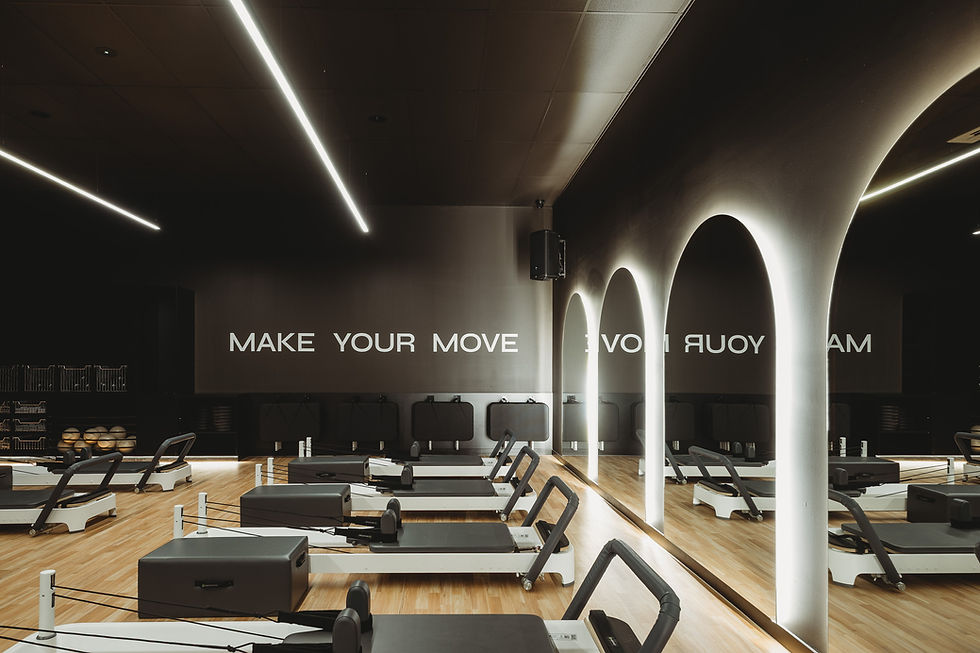
WGSN identifies Gatekeeping as a resurgence of exclusivity. Consumers are moving away from mass exposure and gravitating towards spaces that feel curated, protected and intentional.
Interior implications
Offices are prioritising privacy, controlled access and zones that feel intentionally designed rather than generic.
Retail interiors are embracing layered layouts, hidden rooms and invitation-only experiences.
Medical practices are focusing on patient dignity, discretion and spatial flow that feels considered rather than institutional.
In 2026, people want to feel like they belong, not like they’re one of many.
5. Rugged Luxury: Comfort Without Compromise
WGSN’s Rugged Luxury trend reflects a desire for durability paired with comfort, tactility and elevated aesthetics.
In practice
This is particularly relevant across all commercial interiors:
Hard-wearing materials that still feel warm and refined
Sustainable finishes with texture and depth
Spaces that support rest, recovery and wellbeing without feeling indulgent or inaccessible
It’s luxury that feels earned, not flashy.
Designing Ahead, Not Catching Up
The most successful interiors of 2026 won’t be trend-led in a superficial sense. They’ll be emotion-led, informed by how people want to feel in a space.
That’s where trend forecasting becomes a powerful design tool. By understanding cultural shifts early, designers can create environments that feel relevant, supportive and quietly future-focused — rather than reactive.
At Edit Interiors, we believe good design balances foresight with function. WGSN’s 2026 forecast reinforces what we’re already seeing on the ground: spaces must work harder emotionally, not just operationally.
Because the future of interiors isn’t about being serious.
It’s about being human.


Comments